
This webinar features John Rothwell, Professor Emeritus of Human Neurophysiology, UCL Queen Square Institute of Neurology in London.
Prof. Rothwell will guide us through a TMS journey, sharing insight into his pioneering work on Theta Burst Stimulation (TBS) of the Human Motor Cortex.
During the session Prof. Rothwell will talk about the steps which led him and coworker Ying-Zu Huang to develop a novel method of delivering rTMS based on patterns of TBS, while providing a background on how TBS interacts and influences cortical excitability.
Overview:
- The Development of Theta Burst TMS
- How does Theta Burst TMS achieve the same effects as regular rTMS in a much shorter time
- Are there any disadvantages of theta burst TMS?
- The future of Theta Burst TMS
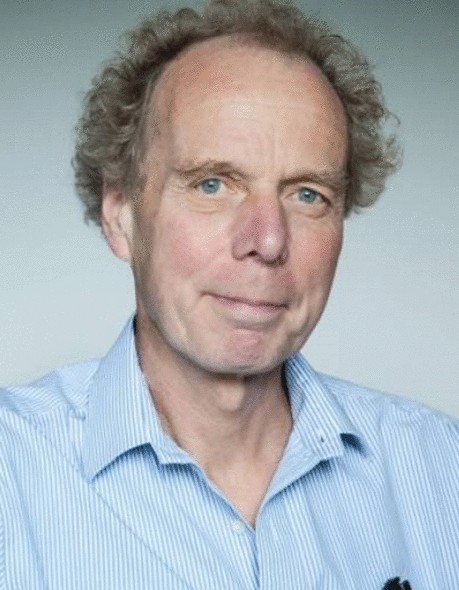
Prof. John Rothwell
Prof. John Rothwell’s research on transcranial stimulation mechanisms has underpinned its modern use in Therapeutic treatments, especially for depression and Cognitive neuroscience investigations.
Formerly led Prof CD Marsden’s electrophysiological research at the MRC Human Movement and Balance Unit, he currently serves as Head of the Sobell Department of Motor Neuroscience and Movement Disorders at the Institute of Neurology.
One of his major contributions to medical science include Developing non-invasive neurophysiological methods to study movement disorders. His work helped recognize physiological abnormalities in movement disorders previously thought to be psychological (e.g., Tourette’s syndrome, writer’s cramp, blepharospasm).